
Smoke shop guide · Sparks, Nevada · Adults 21+ only
New to cigars? This cigar guide for beginners covers everything you need for a good first experience: how a cigar is built, which sizes and wrappers suit a beginner, how to cut and light it properly, how to smoke it (hint: you do not inhale), and the common mistakes that make a first cigar taste harsh.
Cigars are tobacco products for adults 21 and older and carry real health risks. If you choose to smoke, Prater Liquor and Smoke Shop at 1447 Prater Way in Sparks carries cigars, cutters and torch lighters. Call (775) 622-0740 to ask what’s on the shelf before you visit.

- Best first cigarMild to medium, Connecticut or Ecuador-grown wrapper, robusto or corona size.
- CutRemove about 1/16 inch of the cap with a sharp guillotine cutter.
- LightToast the foot with a butane torch or soft flame, then draw gently.
- Don’t inhaleCigar smoke is drawn into the mouth and released.
What is a premium cigar?
A cigar is a roll of fermented and aged tobacco leaves wrapped in a tobacco leaf. Unlike cigarettes, premium cigars contain no paper, filter or added chemicals for burning, and they are meant to be smoked slowly for flavor.
People usually split cigars into three groups:
- Premium handmade cigars: long-filler tobacco, rolled by hand, typically 30 minutes to two hours or more of smoking time.
- Machine-made cigars: often use short filler or homogenized tobacco; more consistent and usually less expensive.
- Cigarillos and little cigars: small, often flavored and sometimes with a tip or filter. Little cigars are closer to cigarettes in size.
This guide focuses on premium cigars, but most of the cutting, lighting and smoking tips apply to any cigar.
Parts of a cigar
Knowing the parts makes the rest of this guide easier to follow.
| Part | What it is | Why it matters |
|---|---|---|
| Cap | Small round piece of leaf glued to the head | Holds the cigar together; you cut part of it off |
| Head | The end you put in your mouth | Where you draw from |
| Wrapper | The outer leaf | Contributes much of the flavor and appearance |
| Binder | Leaf under the wrapper | Holds the filler together |
| Filler | Leaves bunched inside | Determines strength and body |
| Foot | The open end you light | Shows the filler blend |
| Band | The paper label | Shows the brand; can be removed after the cigar warms |
Strength vs body vs flavor
These three words get mixed up a lot.
- Strength is how much nicotine you feel. Strong cigars can make a beginner light-headed.
- Body is how full and heavy the smoke feels in your mouth.
- Flavor is what you taste: cedar, cream, nuts, coffee, cocoa, leather, pepper, sweet spice.
A cigar can be full in flavor but mild in strength. Beginners should look for mild to medium strength. Ask for something “mild and creamy” and you will usually be pointed in the right direction.
Cigar wrapper types
The wrapper is the first thing you see and a big part of flavor. Here are common wrapper styles from lightest to darkest:
| Wrapper | Color | Typical flavor | Good for beginners? |
|---|---|---|---|
| Candela | Light green | Grassy, mild | Yes, if you like light flavors |
| Connecticut Shade | Light tan | Creamy, mild, smooth | Yes, a classic first choice |
| Ecuador Connecticut | Light tan | Creamy, slightly more flavor | Yes |
| Cameroon | Medium brown | Toasty, sweet spice | Yes |
| Habano / Corojo | Reddish brown | Peppery, spicy, medium-full | Once you’ve tried a few |
| Sumatra | Medium brown | Earthy, sweet | Yes |
| San Andrés / Mexican | Dark | Earthy, cocoa | Medium |
| Broadleaf / Maduro | Very dark | Sweet, cocoa, coffee, richer | Try a mild maduro |
| Oscuro | Nearly black | Intense, rich | Not usually a first cigar |
A dark wrapper does not always mean a strong cigar. Many maduros taste sweet and smooth. Strength comes mostly from the filler blend.
Cigar sizes and shapes (vitolas)
Cigar sizes are listed as length (inches) x ring gauge. Ring gauge is the diameter in 64ths of an inch, so a 50 ring gauge is 50/64 of an inch wide.
| Name | Typical size | Approx. smoking time | Notes |
|---|---|---|---|
| Petit Corona | 4.5 x 42 | 25–35 min | Short, concentrated flavor |
| Corona | 5.5 x 42–44 | 35–45 min | Classic, balanced |
| Robusto | 5 x 50 | 45–60 min | Most popular; ideal first cigar |
| Toro | 6 x 50–52 | 60–75 min | Longer robusto |
| Churchill | 7 x 47–48 | 75–90 min | Long, elegant |
| Lancero | 7 x 38–40 | 60–75 min | Thin, wrapper-forward |
| Torpedo / Belicoso | Varies, pointed head | Varies | Tapered head concentrates flavor |
| Gordo | 6 x 60 | 75–100 min | Very thick, cooler smoke |
Best first size: a robusto or corona. It is long enough to taste how a cigar changes but short enough to finish in under an hour.
Thicker cigars burn cooler and slower; thinner cigars let the wrapper flavor dominate.
How to choose your first cigar
- Pick mild to medium strength. Ask for a Connecticut or Ecuador Connecticut wrapper.
- Choose a robusto or corona. About 45 minutes to an hour.
- Check construction. Gently squeeze; it should feel firm but slightly springy, with no soft spots, lumps or cracks in the wrapper.
- Look for freshness. A well-kept cigar has a slight sheen and smells like tobacco, not dust or mildew.
- Buy a few singles. Try two or three different wrappers rather than a whole box.
- Ask staff. Tell them what you like to drink (coffee, bourbon, wine) and they can suggest cigars with similar flavors.
What you need
- A cutter. A double-blade guillotine cutter is easiest for beginners. Punch and V-cutters are also popular.
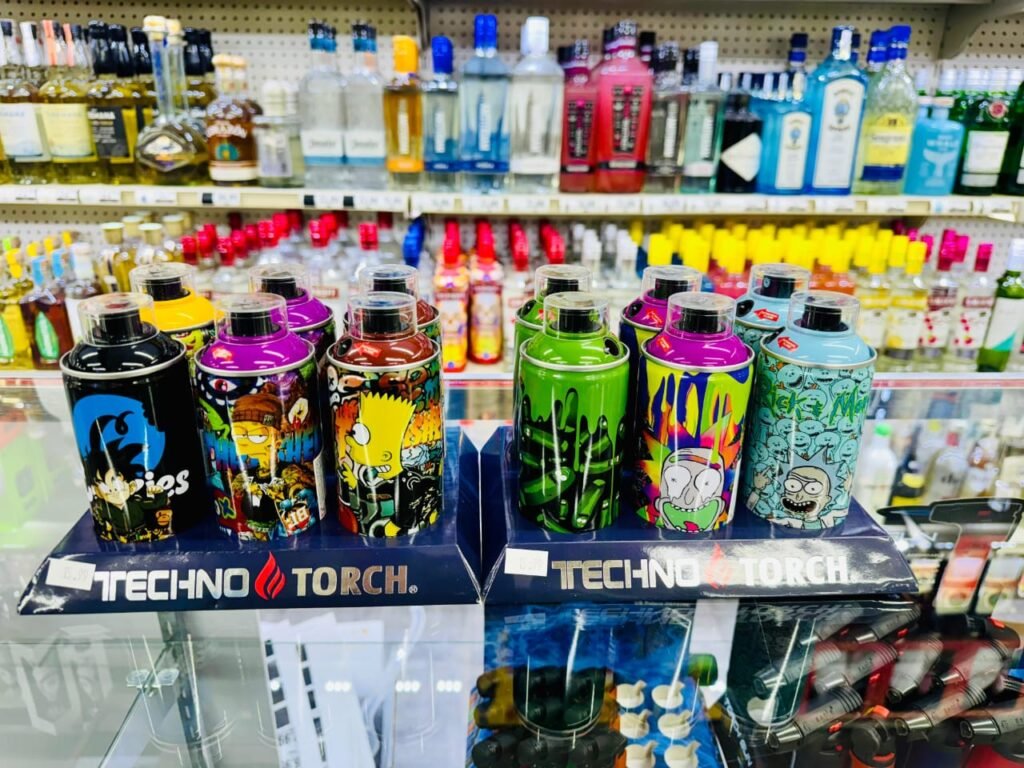
- A lighter. A butane torch lighter is the most practical outdoors. Soft-flame butane lighters and cedar spills or long wooden matches also work.
- An ashtray with a deep bowl and wide rests.
- Optional: humidity packs or a small humidor if you plan to keep cigars more than a few days. See our guide on how to store cigars.
Avoid gasoline (petrol) lighters and paper matches for cigars, since fuel odors can affect flavor. Our lighters and smoking accessories page explains torch lighters, butane refills and cutter types.
How to cut a cigar
The goal is to open the head enough for an easy draw without unraveling the wrapper.
- Find the cap line. Look for the faint seam where the cap meets the wrapper.
- Cut just above that line. Usually about 1/16 to 1/8 inch from the very end. Cut too deep and the wrapper may unravel.
- Cut quickly and firmly. One decisive snap with a sharp guillotine gives a clean edge.
- Test the draw. Before lighting, draw through the cigar. It should feel like sipping through a slightly narrow straw. If it is tight, take a tiny bit more off.
Cut types
| Cut | How it works | Best for |
|---|---|---|
| Straight (guillotine) | Slices the cap off | Most cigars; easiest for beginners |
| Punch | Bores a small hole in the cap | Thick ring gauges; concentrates smoke |
| V-cut | Notches a wedge into the cap | Richer, focused draw |
Torpedo and belicoso cigars with pointed heads are usually cut with a guillotine, a little way down from the tip.
How to light a cigar
Lighting slowly and evenly sets up the whole smoke.
- Hold the flame below the foot. Don’t let the flame touch the tobacco directly at first. Hold the cigar at about 45 degrees, just above the tip of the flame.
- Toast the foot. Rotate the cigar slowly until the entire edge of the foot glows and turns black and ashy. This takes 20–40 seconds.
- Draw gently while rotating. Put the cigar in your mouth and take slow puffs while turning it over the flame until the whole foot is burning evenly.
- Check the ember. Look at the foot. If one side is not lit, touch it up.
- Blow out once. A gentle blow through the cigar after lighting clears stale smoke and lighter fumes.
On windy days in Sparks and Reno, a single- or triple-jet torch is the most reliable way to keep a steady flame.
How to smoke a cigar
Don’t inhale
Cigar smoke is meant to be tasted in the mouth, not drawn into the lungs. Take a gentle puff, let the smoke sit on your palate for a second, then release it. Nicotine is still absorbed through the lining of the mouth.
Pace yourself
Take a puff about once a minute. Puffing too fast makes the cigar overheat and taste bitter; puffing too slowly can let it go out.
Retrohale (optional)
Experienced smokers sometimes push a little smoke out through the nose to pick up more aroma. It can sting. Try it with a mild cigar, a small amount of smoke, and skip it if it’s uncomfortable.
Let the ash build
A good cigar holds an inch or more of ash. Don’t tap constantly; gently roll the ash off in the ashtray when it’s about an inch long.
Remove the band (or don’t)
Bands can be glued lightly. Once the cigar has warmed for 10–15 minutes, the glue softens and the band slips off more easily without tearing the wrapper. Leaving it on is fine.
Fixing problems
| Problem | Likely cause | Fix |
|---|---|---|
| Burning unevenly (canoeing) | Uneven light, wind, puffing on one side | Touch up the slow side with a lighter; rotate between puffs |
| Goes out | Puffing too slowly, damp cigar | Blow out stale smoke, re-toast and relight |
| Tight draw | Overpacked or too humid | Cut a little more cap; gently massage; let it dry slightly |
| Too loose, hot smoke | Underfilled or too dry | Slow down your puffs |
| Bitter taste | Smoking too fast, relit too many times, nearly finished | Slow down; it may be time to put it down |
| Wrapper cracks | Too dry or damaged | Keep cigars at proper humidity; see our storage guide |
When to stop
Most people put a cigar down when it reaches the last third or the band area, or when it starts to taste hot and harsh. Let it go out on its own in the ashtray. You don’t need to stub it out like a cigarette.
Feeling dizzy? Nicotine sickness
Beginners sometimes feel light-headed, sweaty or nauseated, often from a strong cigar or smoking on an empty stomach. To reduce the chance:
- Start mild and eat beforehand.
- Sip water or a sweet drink while smoking.
- Do not inhale.
- Stop if you feel unwell, get fresh air and have a little sugar.
What to drink with a cigar
Drinks are part of the ritual. Classic pairings:
| Drink | Pairs well with |
|---|---|
| Coffee or espresso | Mild Connecticut wrappers; maduros |
| Bourbon | Medium to full cigars; sweet, caramel notes match maduro wrappers |
| Scotch | Earthy or peppery cigars; peaty Scotch with full-bodied cigars |
| Rum (aged) | Mild to medium cigars; sweet, tropical notes |
| Port or sherry | Maduros and rich cigars |
| Beer (stout, porter, brown ale) | Medium cigars with cocoa and coffee notes |
| Sparkling water | Any cigar; clears the palate |
Pick up a pairing bottle in the same trip: our bourbon page and whiskey vs bourbon vs Scotch guide can help.
Cigar etiquette
- Ask before you light around other people, and respect “no smoking” signs.
- Don’t relight someone else’s cigar or wave a lit cigar around.
- Let it die gracefully. Rest it in the ashtray rather than crushing it.
- Offer, don’t push. Sharing cigars is a tradition, but not everyone wants one.
- Be mindful outdoors. Northern Nevada is dry and fire-prone; put ashes and butts out completely and never discard them in brush.
Where you can smoke a cigar in Nevada
Nevada’s Clean Indoor Air Act bans smoking in most indoor public places and workplaces, including restaurants, grocery stores and malls. Smoking is generally still allowed in casino gaming areas where minors cannot loiter, age-restricted stand-alone bars, retail tobacco stores and private homes, and outdoors unless a property owner or local rule says otherwise. Read our Nevada smoking laws guide for the full rules.
Keeping cigars fresh
Cigars dry out quickly in the Reno-Sparks climate, where humidity is often low. A cigar left in an open box or a car can become brittle and harsh within days. If you’ll smoke it within a day or two, keep it in its cellophane in a sealed bag. For longer storage, use a humidor or a sealed container with a two-way humidity pack. Our full guide covers how to store cigars, including options without a humidor.
Health and safety
Cigar smoking is not a safe alternative to cigarettes. Cigar smoke contains the same toxic and cancer-causing chemicals, and regular cigar smoking is linked to cancers of the mouth, throat, esophagus and lungs, as well as heart and lung disease, even without inhaling. Cigars also contain nicotine, which is addictive. If you want help quitting any tobacco product, the Nevada Tobacco Quitline is free at 1-800-QUIT-NOW (1-800-784-8669).
Keep cigars, ashes and butts away from children and pets. If a child or pet eats tobacco, call Poison Control at 1-800-222-1222.
Cigar terms for beginners
- Vitola: the size and shape of a cigar.
- Ring gauge: diameter in 64ths of an inch.
- Long filler: whole leaves running the length of the cigar.
- Short filler: chopped pieces of leaf.
- Maduro: a dark, often sweeter wrapper.
- Natural: a lighter or medium wrapper.
- Draw: how easily smoke passes through.
- Toasting: heating the foot before lighting.
- Canoeing / tunneling: uneven burn on one side / the center burning faster.
- Retrohale: releasing smoke through the nose.
- Plume / bloom: a harmless white dusting from oils on aged cigars (not to be confused with mold).
Shopping for cigars in Sparks
Prater Liquor and Smoke Shop is a combined liquor store and smoke shop at 1447 Prater Way in Sparks, near Downtown Sparks, Victorian Square, Sparks Marina and Northeast Reno. We sell tobacco products and accessories to adults 21+ with valid ID. Our cigar selection changes, so call (775) 622-0740 to ask what’s available before you come in. Explore our smoke shop in Sparks, our smoke shop near Reno page, lighters and accessories, or the hookah setup guide.
Ready to choose your first cigar? See where to buy cigars in Sparks, NV.
Frequently asked questions
What is a good cigar for a beginner?
Start with a mild to medium cigar in a robusto or corona size, with a Connecticut or Ecuador Connecticut wrapper. These are smooth, creamy and take about 45 minutes to an hour to smoke.
Do you inhale a cigar?
No. Cigar smoke is drawn into the mouth for flavor and then released. Inhaling cigar smoke can cause coughing and dizziness and increases health risks.
How do you cut a cigar?
Use a sharp guillotine cutter to remove about 1/16 to 1/8 inch from the cap, just above the line where the cap meets the wrapper. Cut quickly in one motion and test the draw before lighting.
What is the best way to light a cigar?
Use a butane torch, soft-flame butane lighter, cedar spill or wooden match. Toast the foot just above the flame until it glows evenly, then puff gently while rotating the cigar.
How long does it take to smoke a cigar?
It depends on size. A corona takes about 35 to 45 minutes, a robusto about 45 to 60 minutes, and a Churchill or toro can take 75 minutes or more.
Why does my cigar keep going out?
You may be puffing too slowly, or the cigar may be too humid. Puff about once a minute, and if it goes out, blow out the stale smoke, re-toast the foot and relight.
Why does my cigar taste bitter?
Bitterness usually comes from smoking too fast, relighting many times, a dry cigar or reaching the last third. Slow down, store cigars at proper humidity and put the cigar down when it tastes harsh.
Should I take the band off a cigar?
It’s your choice. If you want to remove it, wait 10 to 15 minutes until the cigar warms and the glue softens so you don’t tear the wrapper.
How old do you have to be to buy cigars in Nevada?
You must be 21 or older to buy cigars and any tobacco product in Nevada, and retailers check ID. Bring a valid government-issued photo ID.
Where can I buy cigars in Sparks, NV?
Prater Liquor and Smoke Shop at 1447 Prater Way in Sparks sells tobacco products and accessories to adults 21 and older. Call (775) 622-0740 to check current cigar availability.
Shop cigars and accessories in Sparks
Stop by Prater Liquor and Smoke Shop on Prater Way for cigars, cutters, torch lighters and humidity packs, minutes from Reno. Call ahead to check what’s in stock. Adults 21+ with valid ID.
Prater Liquor and Smoke Shop
1447 Prater Way, Sparks, NV 89431 · Phone: (775) 622-0740 · Adults 21+ with valid ID. Hours can change, so please call or check our Google Business Profile before a late-night trip.
